Latest News
Loading articles...
Loading photos...

State Representative
District
141st
Towns
2
Latest Updates
Swipe through recent posts
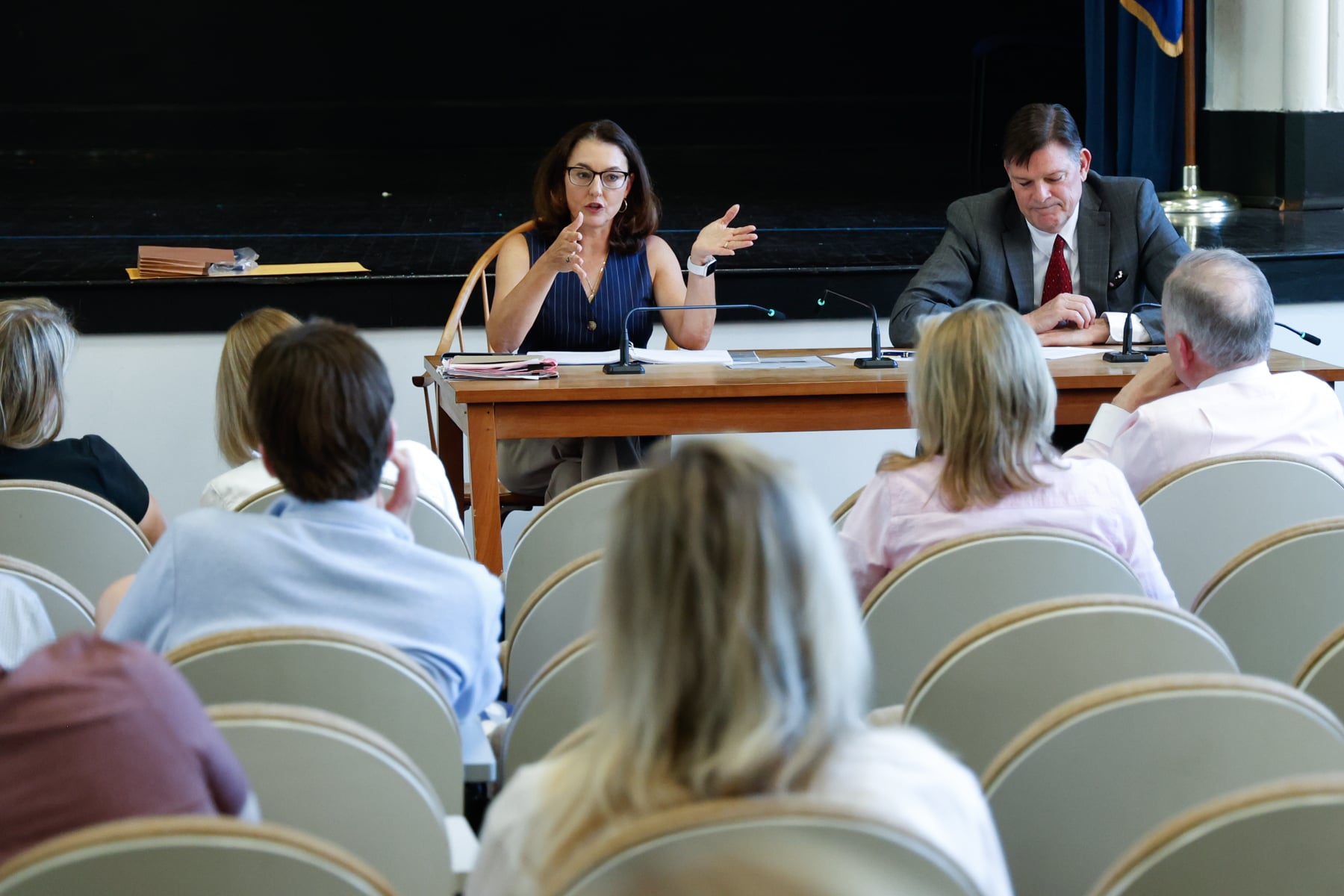
State Representatives Tracy Marra and Tom O'Dea recently hosted a highly successful town hall meeting for concerned constituents in Dairen. The hour-long conversation with more than a dozen concerned residents covered a lot of topics, including the recently-passed state budget, taxes, transportation concerns in Fairfield County and statewide. They also discussed Connecticut's energy policy and concerns regarding the Public Benefits Charges, and solar, natural gas, and nuclear initiatives.

State Representative Tracy Marra (R-141) celebrated part of Mother’s Day by congratulating graduates and delivering the commencement speech for the University of Connecticut School of Pharmacy and Pharmaceutical Sciences class of 2026 Commencement and Hooding Ceremony. Rep. Marra began her address by applauding the mothers in the audience and noting that their love and support made a difference in each of the students eagerly waiting to officially become doctors of pharmacy, then she addressed the graduates directly. “My first wish for you is that you are able to take a little time for yourself to celebrate!” Rep. Marra said, before encouraging them to continue to be “lifelong learners” and to embrace and explore the potential of using the skills and knowledge gained in pharmacy school beyond the pharmacy itself. Pharmacists are used to seeking out the answers to difficult questions, and the skills learned at UConn will serve as a strong foundation for patient consultations, clinical study or continued educational opportunities. “Accuracy, building trust, and accountability are the keys needed for this job that will serve you in the future in so many ways,” she said. Rep. Marra then encouraged the grads to rely on their training and trust their intuition. Pharmacists are trained to be skeptical, and they’re taught to investigate and consider data and assess the whole situation before choosing the choosing the proper course of action, she said. These skills are essential for life in pharmacy and beyond, she said. “As a graduate of UCONN school of pharmacy, you are on a launch pad,” Rep. Marra told the students. “You may not know exactly where you are going and you may find yourself in unchartered territory ... but the best thing about this degree, and the knowledge you are taking with you from UConn is that you have the skills you need no matter where you land.” As the only trained pharmacist in the legislature, Rep. Marra is a leading voice on pharmacy and many other healthcare issues, and she served as co-chair of the inaugural Bipartisan Prescription Drug Task Force which was championed important pharmacist reimbursement legislation this year. She was also instrumental in passage of several important legislative victories, including expanding access to Narcan and allowing it to be placed in vending machines to help reduce the risk of overdose deaths statewide. Rep. Marra’s legislative advocacy also helped increase access to family planning options, with pharmacists now able to prescribe oral contraceptives, and over-the-counter (OTC) medications, including Plan B, can be placed in vending machines.
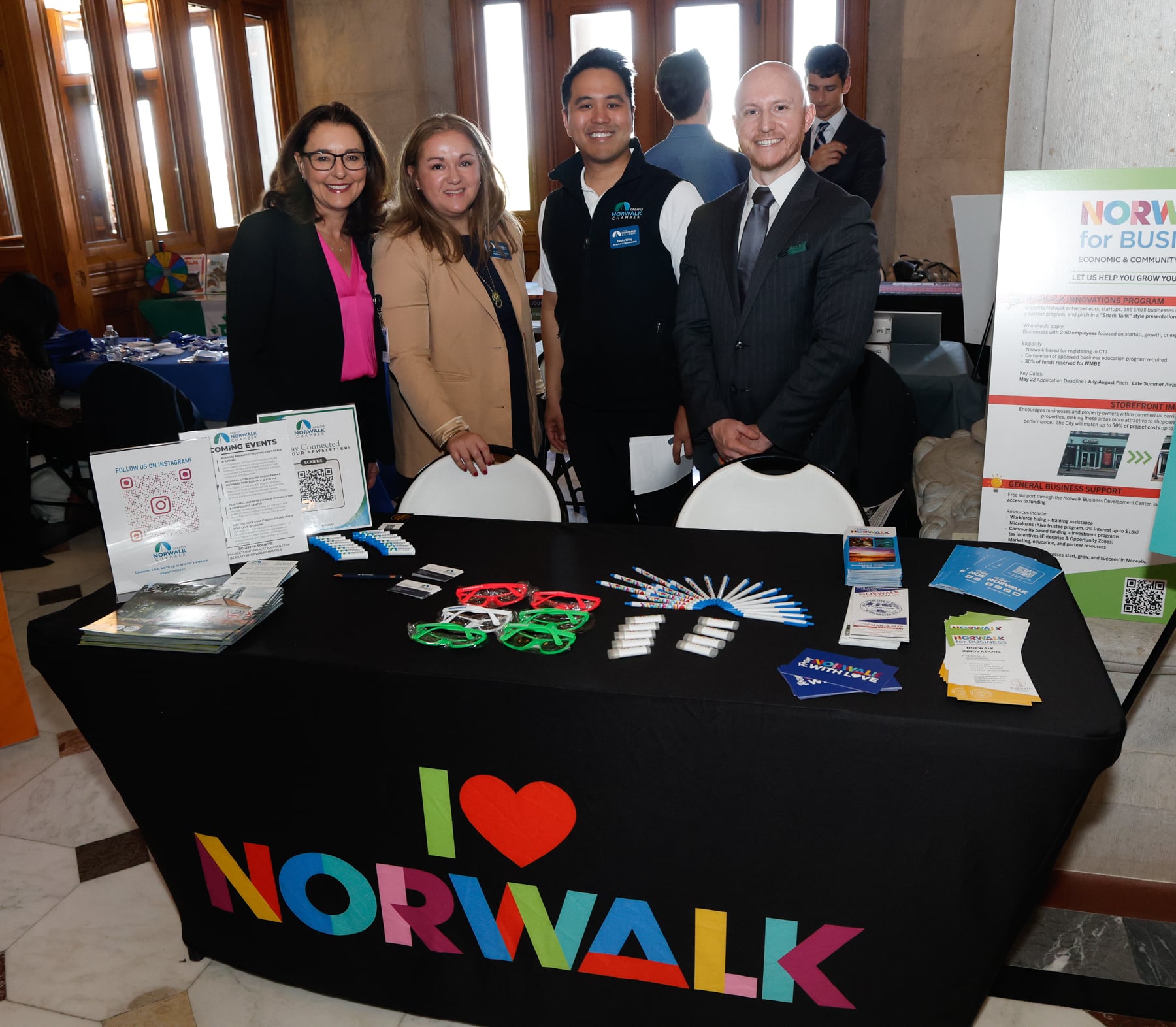
State Rep. Tracy Marra joined her colleagues from the Norwalk delegation, visitors, friends, and other stakeholders in the North lobby of the Capitol today for annual Norwalk Day events. Norwalk Day is a fantastic time where local businesses come to Hartford to display their offerings and services to lawmakers and guests, and to highlight the incredible diversity of offerings within the city. This year, restaurants, non-profits, the library, Copps Island Oysters, healthcare providers, Stew Leonard’s and the Stewie the Duck swim program, and many more groups were on hand.

Sitting "criss-cross" on the floor with the children, State Rep. Tracy Marra took part in Week of the Young Child activities by reading two books to two separate classes at Norwalk's Read To Grow Preschool. As a longtime proponent of literacy and education, Rep. Marra jumped at the opportunity to read to the children, and even brought a copy of one of her childhood books to share. She explained that as a little girl she very much enjoyed reading with her grandmother, and "The Little Rabbit Who Wanted Red Wings" by Carolyn Sherwin Bailey was her absolute favorite. The second book she chose, "Not Quite Narwhal" by Jessie Sima, detailed the hilarious confusion and learning opportunities of a unicorn living under the sea with a group of Narwhal whales! Both books focused on the theme of being yourself and appreciating one's own individuality.
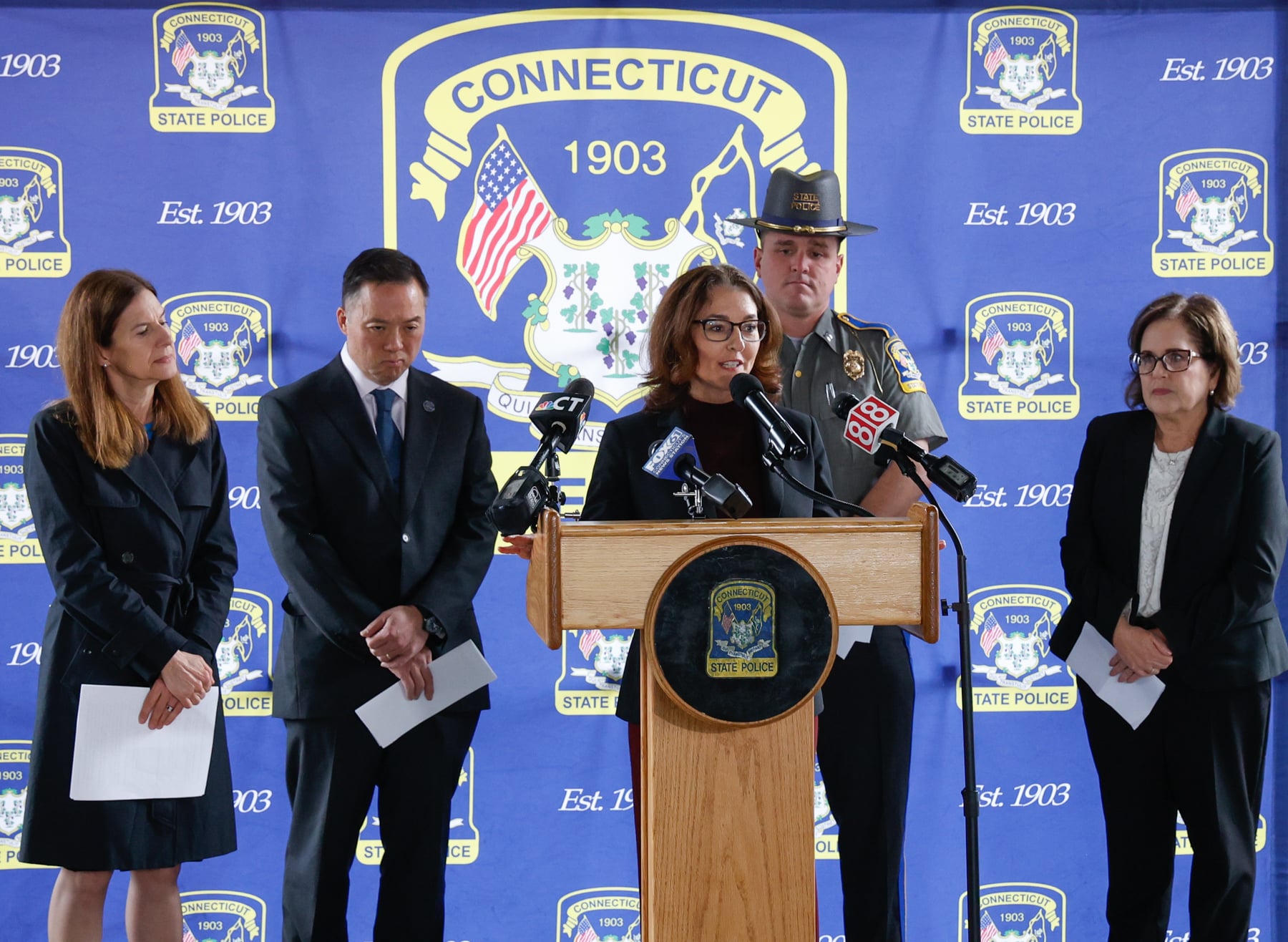
Kratom, Tianeptine and Five Other Substances Are Now Schedule 1 Controlled Substances, Must Be Removed from Shelves by Wednesday. Resources are available for those struggling with addiction. State Representative Tracy Marra joined Lieutenant Governor Susan Byseiwicz, Attorney General William Tong and state officials from the Department of Consumer Protection, Department of Mental Health and Addiction Resources, and Connecticut State Police highlighted recent changes that designated several substances as Schedule 1 Controlled Substances in Connecticut, effective Wednesday, March 25, 2026. These products come in a variety of consumable products, including beverages, tinctures, pills, gummies, and more. All products containing any of the following recently scheduled substances are illegal to possess, manufacture, sell or distribute: Mitragyna speciosa (kratom), including its leaves, stem and any extracts 7-hydroxymitragynine (7-OH, a kratom derivative) Bromazolam Flubromazolam Nitazenes, including, but not limited to, isotonitazene Tianeptine Phenibut “I’m so proud to be a part of a team that truly prioritizes the health, well-being, and safety of our residents, and who have worked tirelessly to see these dangerous substances removed from our shelves,” said Lt. Governor Susan Bysiewicz. “With false marketing that led consumers to believe these are safe products, and with candy-like flavor options, these substances posed a clear threat to those battling substance use disorder and our youngest residents. This schedule change is a necessary step in our continued efforts to combat addiction.” Attorney General William Tong announced today he has sent letters to all known distributors and manufacturers of Kratom products to ensure full awareness and compliance with the law. “As of Wednesday, it will be illegal to possess, manufacture, sell or distribute these drugs, including Kratom and tianeptine, sometimes referred to as gas station heroin,” said Attorney General William Tong . “These products are unsafe, untested, and if you see them, do not purchase them and call the police. Today, I am mailing letters to every known distributor and manufacturer of these substances to ensure full awareness and compliance with the law. These companies are on notice—if you sell in Connecticut, we will know, and we will hold you accountable.” “These substances have no approved medical use and have been widely available for sale in establishments easily accessed by children and other vulnerable populations,” said DCP Commissioner Bryan Cafferelli. “These products were never regulated, tested, or otherwise deemed safe for human consumption, but have been marketed as health products, misleading people to assume they are safe when, in fact, they are addictive, have a high potential for misuse, and pose a serious threat to public health and safety. It has been a team effort to designate these products as controlled substances, stand up enforcement protocols and also ensure that people who need support for withdrawal aren’t left behind, and we are grateful to our sister agencies and community partners for their efforts.” “As Connecticut takes this important step to protect residents from the harms of kratom and similar substances, it is essential that individuals and families know that support is available,” said DMHAS Commissioner Nancy Navarretta. “Kratom use is more common than many realize, and the risks are often misunderstood. No one should hesitate to reach out for help. Treatment works, and recovery is absolutely possible. If you or someone you care about needs help, support is available. You can call the Access Line at 1-800-563-4086 or dial 2-1-1 to be connected with services immediately.” “The classification of kratom as a Schedule I substance in Connecticut is a clear line in the law,” said Col. Daniel Loughman, Commanding Officer, CSP. “The Connecticut State Police will not tolerate its illegal sale or distribution. Those who choose to ignore the law should expect enforcement action, including arrest and prosecution. We are committed to protecting our communities and will act decisively to uphold the law.” “Making these addictive substances illegal in Connecticut is a major step forward for the protection of our children and sends a strong message that we will not tolerate attempts to flood our state with cheap, synthetic opioid-like substances that introduce teens and young adults to a lifetime of long-term substance abuse disorder," said Rep. Tracy Marra, a trained pharmacist. "We've done our part to remove these dangerous compounds from convenience stores and local shops, now it's time for our neighboring states and the federal government to do the same." “Through multiple environmental scans, the STEPS Youth Council identified kratom as an emerging concern among youth and took action,” said Kristin Sandler, Outreach Coordinator for Southington STEPS. “Students were particularly troubled by the product’s appeal to young people and how easily it can be accessed in retail settings, especially when compared to other substances that are regulated in the state to limit youth access.” The Legislative Regulation Review Committee approved regulations in February to designate these substances as Schedule 1 Controlled Substances. Businesses still offering these products for sale should: Remove them from shelves immediately. Prior to March 25, 2026, return all products to your wholesaler or destroy the products. Information about how to destroy unwanted controlled substances can be found on the Department of Consumer protection website. Individuals struggling with addiction to these or any other substances can find information about available services, including treatment, withdrawal management and rehabilitation programs by visiting the Department of Mental Health and Addiction Services website. Questions about controlled substances can be directed to DCP’s Drug Control Division by email DCP.DrugControl@ct.gov .